
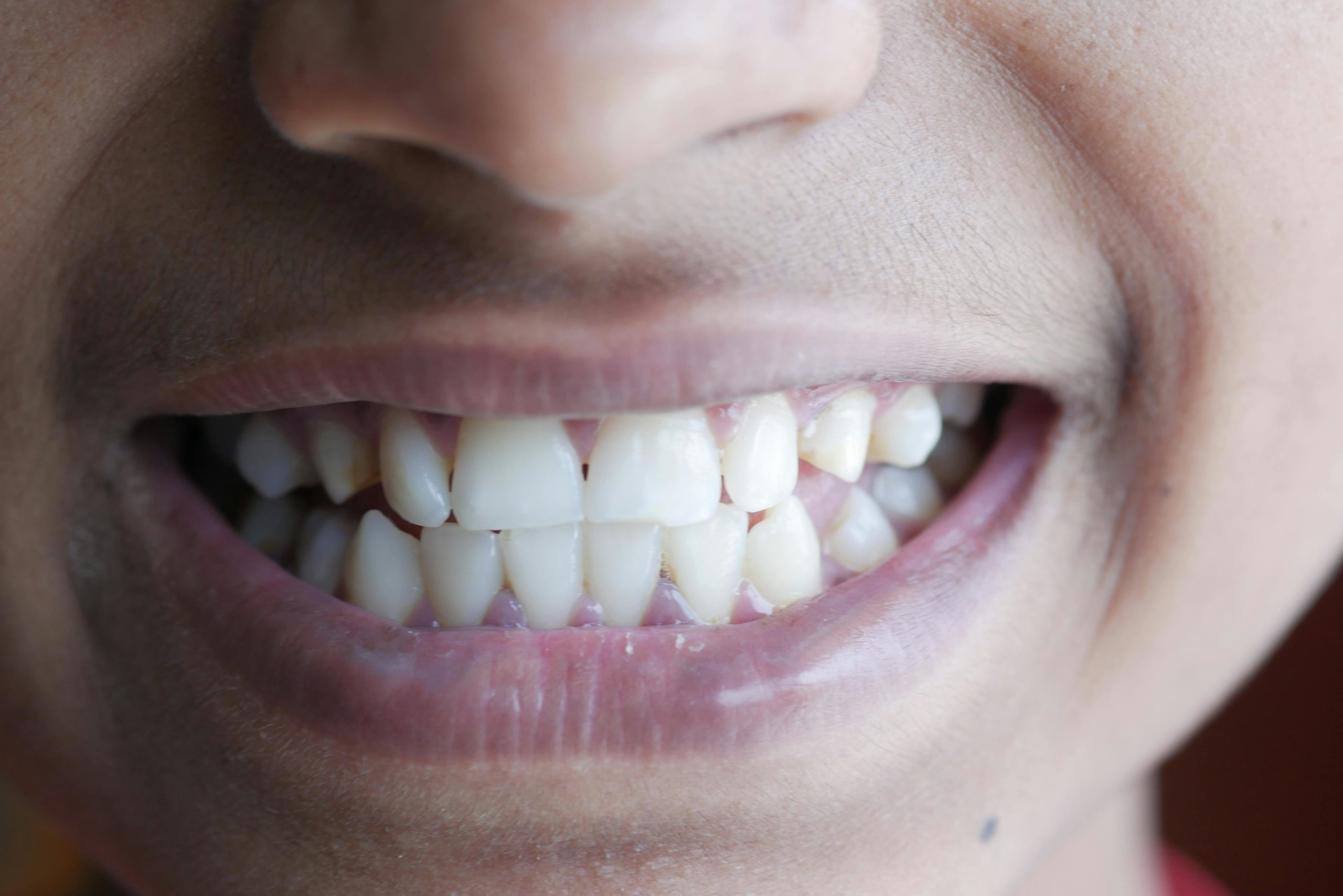
Bruxism – more commonly known as teeth grinding or jaw clenching – is a surprisingly common condition that can have a significant impact on both comfort and long-term dental health. Many patients first become aware of the problem after waking with jaw pain, facial tightness, or tension headaches, or when their dentist notices excessive wear to the teeth.
While mouth guards and lifestyle changes are often recommended as first-line measures, they do not always address the underlying muscle over activity. For patients who continue to experience symptoms, modern medical treatments can offer effective and lasting relief.
What is Bruxism?
Bruxism is the involuntary clenching or grinding of the teeth. It may occur during sleep (sleep bruxism) or while awake (awake bruxism), often without the individual being aware of it.
Common contributing factors include:
· Psychological stress or anxiety
· Sleep disturbances
· Certain medications
· Lifestyle factors such as caffeine or alcohol consumption
Over time, untreated bruxism may lead to:
· Dental wear or increased sensitivity
· Jaw pain and stiffness
· Headaches or migraines
· Temporomandibular joint (TMJ) dysfunction
· Enlargement of the masseter muscles, sometimes altering facial shape
Why Mouthguards Are Sometimes Not Enough
Custom-made dental mouth guards are an important part of managing bruxism, as they help protect the teeth from damage. However, they do not reduce the strength or frequency of jaw muscle contraction.
Many patients wear their mouth guard diligently yet continue to experience jaw pain, facial tension, or headaches, highlighting the need for treatments that target the muscles themselves.
Managing Bruxism: a Layered Approach
Effective management often combines self-care, dental protection, and targeted medical treatment.
Lifestyle and At-Home Measures
· Stress reduction techniques such as meditation, yoga, or breathing exercises
· Limiting caffeine and alcohol, particularly in the evening
· Establishing consistent sleep routines and good sleep hygiene
· Becoming aware of daytime jaw clenching and consciously relaxing the jaw
· Gentle jaw stretching and massage exercises
Professional and Medical Support
· Dental mouth guards to protect teeth
· Addressing contributing factors such as anxiety or sleep disorders
Botulinum Toxin for Bruxism
For patients with persistent symptoms, botulinum toxin injections offer a clinically proven and effective treatment option.
Botulinum toxin works by reducing excessive activity in the masseter muscles, the powerful chewing muscles responsible for clenching and grinding. When administered correctly, it:
· Reduces the force of jaw clenching and teeth grinding
· Relieves jaw pain, facial tension, and associated headaches
· Protects teeth and jaw joints from ongoing damage
· Preserves normal functions such as chewing and speaking
By addressing the root cause (overactive jaw muscles) botulinum toxin can significantly improve both symptoms and quality of life.
What to Expect from Treatment
Treatment is quick, minimally invasive, and performed in clinic.
· A full consultation is carried out to assess suitability and muscle activity
· Injection points are carefully identified within the masseter muscles
· A small number of precise injections are administered on each side
· The procedure typically takes 10–15 minutes
There is no downtime, and most patients return immediately to normal activities. Improvement may be noticed within a few days, with full results developing over approximately two weeks.
Benefits of Botulinum Toxin Treatment
Patients commonly report:
· Reduced jaw pain and muscle tension
· Fewer headaches and facial discomfort
· Improved sleep quality
· Reduced tooth wear and risk of TMJ complications
· Softening of a widened or bulky jaw caused by chronic clenching
How Long Do Results Last?
Results typically last between 3-4 months, depending on individual muscle strength and response to treatment. With repeat treatments, many patients find that symptoms become easier to control over time.
Is This Treatment Suitable for Everyone?
Botulinum toxin treatment may not be appropriate if you:
· Are pregnant or breastfeeding
· Have certain neuromuscular conditions
· Have a known allergy to botulinum toxin or the additives used within the product
· Are seeking a permanent cure rather than symptom management
A thorough medical consultation is essential to ensure safe and appropriate treatment.
Final Thoughts
Bruxism can affect comfort, sleep, dental health, and facial balance, but it does not need to be endured. For patients who continue to struggle despite mouth guards and lifestyle measures, botulinum toxin offers a safe, effective, and targeted solution.
If you are experiencing jaw pain, headaches, or signs of teeth grinding, I would be happy to discuss your options and help create a personalised treatment plan.
Get in Touch
Email: contact@shethanaji.com Tel: +44 (0) 7903 159640
I’m here to guide you with clarity, science, and support every step of the way.