
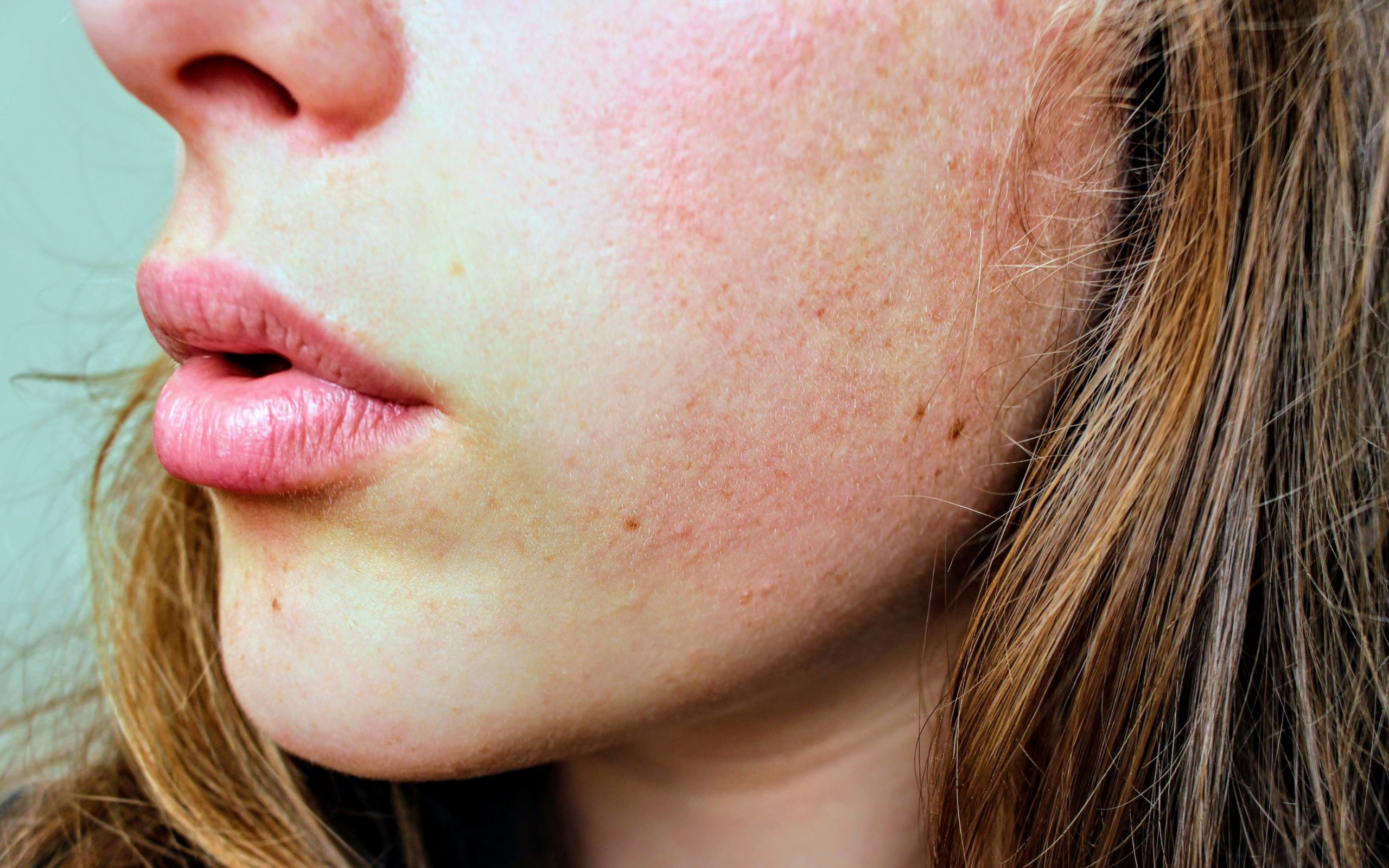
May 25, 2026 is International Skin Pigmentation Day – a moment to shine a spotlight on an incredibly common, yet often misunderstood, aspect of skin health: hyperpigmentation.
This global awareness day aims to educate, reduce stigma, and highlight the wide range of effective treatments available for concerns such as sun damage, melasma, and post-inflammatory hyperpigmentation. Most importantly, it encourages individuals to feel confident in their skin while seeking professional support when needed.
WHAT IS SKIN PIGMENTATION?
Hyperpigmentation refers to areas of the skin that become darker than the surrounding skin due to excess melanin production – the pigment responsible for skin colour.
These darker patches can vary in size and intensity, appearing anywhere on the face or body, particularly in sun-exposed areas. While typically harmless, they can be persistent and challenging to treat without the right approach.
COMMON TYPES OF PIGMENTATION
Understanding the type of pigmentation you’re dealing with is key to choosing the most effective treatment.
Sun Damage (Age Spots or Sunspots)
Caused by cumulative UV exposure, these small, darker spots commonly appear on the face, hands, arms, and décolleté.
Melasma
Often referred to as “the mask of pregnancy,” melasma presents as larger, symmetrical patches, typically on the cheeks, forehead, or upper lip. It is strongly linked to hormonal changes and is more common in women, particularly during pregnancy or when using hormonal contraception.
Post-Inflammatory Hyperpigmentation (PIH)
These are the marks left behind after skin inflammation or injury, such as acne, cuts, or certain aesthetic treatments. They are especially common in acne-prone individuals.
WHAT CAUSES PIGMENTATION?
Pigmentation is influenced by a combination of internal and external factors, including:
- Sun exposure: The leading cause, as UV rays stimulate melanin production
- Hormonal changes: Pregnancy, menopause, or contraceptives can trigger melasma
- Inflammation or skin trauma: Acne, wounds, or irritation can lead to lingering dark marks
- Genetics: Some individuals are more predisposed to pigmentation concerns
- Ageing: Irregular melanin production over time can result in age spots
- Lifestyle factors: Stress and certain fragranced products may contribute to skin sensitivity and pigmentation
It’s also important to note that pigmentation doesn’t always appear immediately – damage can build beneath the surface long before becoming visible.
KEY THINGS TO KNOW ABOUT PIGMENTATION
- It’s more common than many people realise
- Prevention is always easier than treatment – daily SPF is essential
- Triggers can be unexpected, from UV exposure to stress or fragranced products
- Without treatment, pigmentation can persist or worsen over time
HOW TO TREAT SKIN PIGMENTATION
One of the most common questions is: what is the best treatment for pigmentation?
The answer depends on your skin type, the underlying cause, and the severity – meaning a personalised approach is always best.
Getting the basics right is imperative – there are no quick fixes that last – the key lies in a treatment plan which tackles pigmentation and aims to manage it long term. Accurate diagnosis is therefore paramount.
Combination treatments are often the best approach to optimising results.
PROFESSIONAL TREATMENTS
Prescription Skincare
Once an accurate diagnosis is made, prescription skincare is often needed to tackle the melanin production process and reduce any inflammatory drivers. These are not one-off prescriptions – rather, they are typically several months of a plan where the dosages/concentrations are often titrated. There is then a role for long-term prescriptive skincare depending on the condition, cause and results. This is where seeing an appropriate clinician who will monitor your progress is essential.
Chemical Peels
These exfoliate the outer layers of the skin using carefully selected acids, helping to break down excess pigmentation and reveal a brighter, more even complexion. Superficial peels can target mild discolouration, while deeper peels may be recommended for more stubborn concerns. It is important to know that deeper isn’t always better and nor is speed. Sometimes the slow, more gentle approach is wiser – especially depending on skin type, sensitivity and progress.
Microneedling
A clinically proven treatment that creates controlled micro-injuries in the skin to stimulate collagen production and accelerate cell turnover. Combined with targeted skin actives with/without an adjuvant peel, the results are improved overall skin texture, quality with reduction in pigmentation and post-acne scarring.
Polynucleotides
An advanced regenerative treatment that works at a cellular level to repair and restore the skin. Polynucleotides help reduce inflammation, support tissue regeneration, and improve overall skin quality—making them particularly beneficial for pigmentation linked to skin damage. Over time, they enhance hydration, strengthen the skin barrier, and promote a more even skin tone.
Skin Boosters
Injectable skin boosters deliver deep hydration and improve overall skin quality. By infusing hyaluronic acid and essential nutrients, amino acids and vitamins into the skin, they enhance luminosity, smoothness, and elasticity. While not a direct pigmentation treatment, they create a healthier skin environment, optimising results from other therapies.
SPF – Always
While not an in-clinic procedure, daily sunscreen is one of the most important “treatments” for pigmentation. UV exposure is a primary trigger for melanin production, meaning that without consistent protection, pigmentation will persist or worsen – even with professional treatments. A broad-spectrum SPF should be applied every day to protect the skin and maintain results.
COMBINATION APPROACHES
The most effective results are often achieved through a combination of treatments – for example, pairing chemical peels with microneedling or regenerative therapies. This multi-modality approach allows for deeper, longer-lasting improvement tailored to your individual skin needs.
THE ROLE OF SKINCARE
In-clinic treatments deliver transformative results, but consistent at-home skincare is essential for maintaining them.
Medical-grade skincare may include:
- Vitamin C to brighten and protect
- Retinoids to promote cell turnover
- Azelaic acid to calm inflammation and reduce pigmentation
- Targeted prescription treatments where appropriate, such as hydroquinone and tretinoin.
And as I always emphasise – daily sunscreen is non-negotiable. It not only prevents further pigmentation but also protects and prolongs the results of your treatment plan.
FINAL THOUGHTS
Hyperpigmentation is a common and treatable condition – but it requires the right knowledge, consistency, and personalised care.
International Skin Pigmentation Day is the perfect opportunity to better understand your skin, take preventative steps, and explore the treatment options available to you.
With the right combination of professional treatments and targeted skincare, it’s entirely possible to achieve a clearer, more even, and healthier-looking complexion.
Ready to take control of your skin?
Book a consultation to create a personalised treatment plan tailored to your skin’s needs and long-term goals.
Email: contact@shethanaji.com
Tel: +44 (0) 7903 159640