
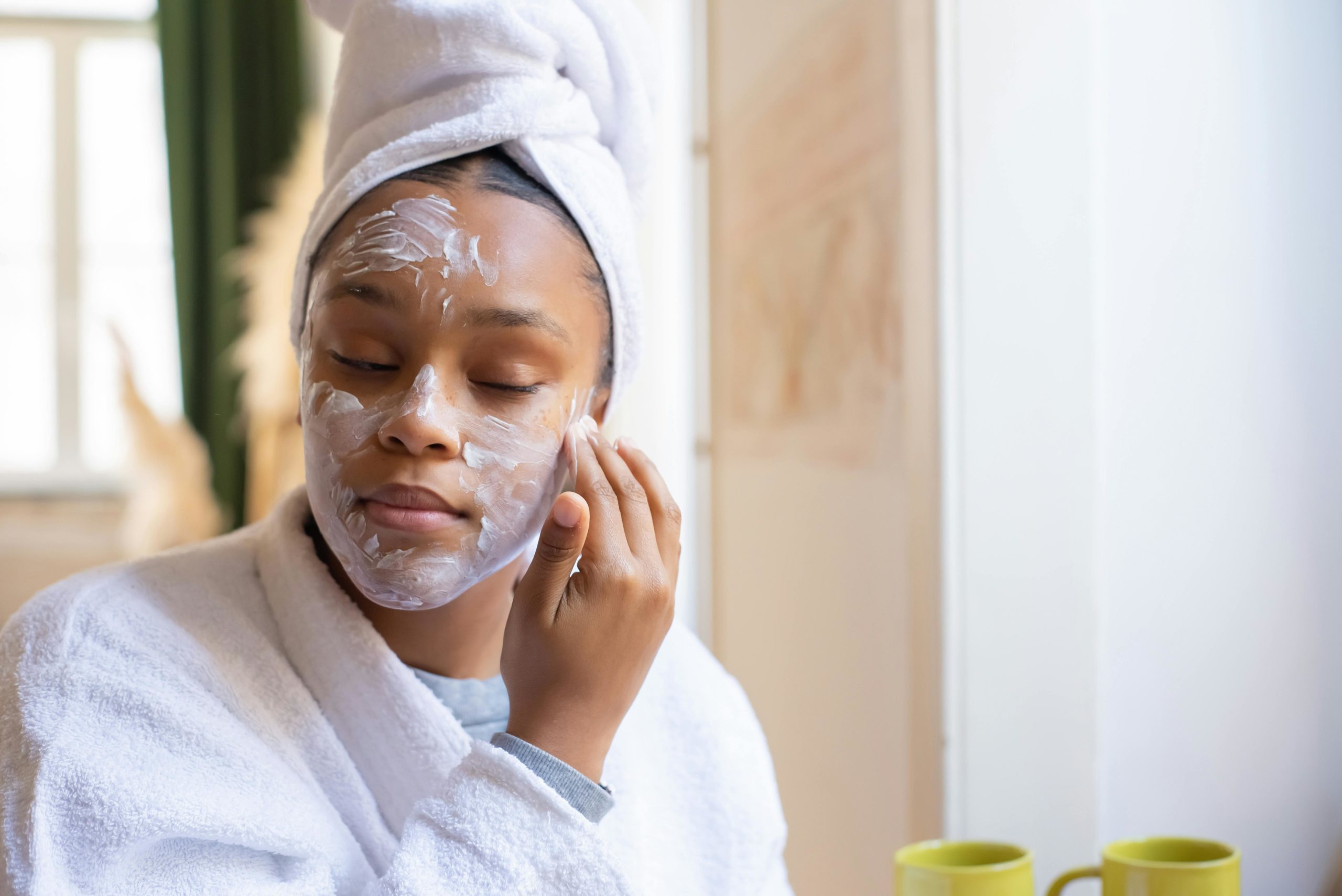
As a mother of a 10-year-old daughter, I often get asked whether skincare is appropriate for children. With the rise of social media, children are now frequently exposed to skincare products. And when their friends use them, it’s easy for them to feel left out if they don’t.
The short answer: Most adult skincare products are not suitable for children. Children’s skin is different from adult skin, and harsh or active ingredients can do more harm than good.
What’s truly beneficial is building simple, healthy habits. As your child grows and their skin goes through different phases (thanks to hormones!), their needs will change. Start with a gentle facial cleanser and a lightweight moisturiser if needed. And don’t forget sunscreen—getting them used to daily SPF is essential!
Skincare for children should focus on care and protection, not correction.
If you’re ever unsure about skin health, don’t hesitate to ask for advice from a professional.
The Non-Negotiables for Young Skin
Skincare is all about care. It’s about nourishing, protecting, and respecting the skin. Too many active ingredients can weaken the skin’s natural defences, leading to long-term issues. Focus on the basics: cleansing, balancing, and strengthening the skin’s barrier.
Here’s an easy-to-follow routine that’s been designed by skincare experts and dermatologists:
Step 1: Cleanse
Cleansing is the cornerstone of any good skincare routine, but it’s not about a quick wipe across the face (wipes can be harsh on your skin and the planet). The purpose of cleansing is to remove impurities without disrupting the skin’s natural barrier.
Take time to choose a cleanser suited to your child’s skin: it could be a gentle foaming formula, a milk-based cleanser to maintain balance, or a nourishing balm that removes sunscreen without drying out the skin.
Step 2: Moisturise
Keep it simple, keep it gentle!
All skin types—even oily or blemish-prone—need daily moisture. Some moisturisers are rich and thick, while others are lighter and absorb faster. If your child’s skin changes with the seasons or hormone fluctuations, you can switch between lighter (oil-free) and thicker (ceramide-enriched) formulas as needed.
But here’s a crucial point: For children up to age 14 (or even 16), keep things as simple as possible!
And don’t forget about hydration—drinking plenty of water is just as important for healthy skin.
Step 3: Protect
SPF! SPF! SPF!
I can’t stress this enough: sunscreen is non-negotiable. UV rays break down skin’s elasticity and lead to premature aging (also called photoaging) as well as exposing them to sun damage. While skin cancer is thankfully rare in children, it does exist. Did you know that a sunburn that causes blisters in childhood, more than doubles your risk of melanoma skin cancer later in life? So, consistent, daily SPF is your child’s best defence. Prevention truly is better than cure.
The Dangers of Trendy Skincare Products
It’s easy to see why pre-teens are drawn to viral beauty trends, especially with social media influencers promoting the latest hacks. However, not all trendy skincare products are created equal – many of them are packed with harsh chemicals that can harm young, susceptible skin.
Products with ingredients like alcohol, synthetic fragrances, and sulphates can strip the skin’s natural oils, leading to dryness, irritation, and even breakouts. Some products may even be too strong for their developing skin, causing long-term damage.
Constantly switching products without understanding their skin type can also disrupt the skin barrier, leaving it vulnerable to environmental stressors like pollution and sun damage.
Embrace Your Natural Beauty
Your child’s skin is still developing, and now is the perfect time to encourage them to embrace their natural beauty. Rather than reaching for the latest fad product, focus on a simple skincare routine that supports their skin’s health.
Start with these basics:
Cleanse with a mild, age-appropriate cleanser
Moisturise to keep skin hydrated
Protect with a broad-spectrum sunscreen
These three steps—cleanse, moisturize, and protect—form the foundation of healthy skin.
The Power of Traditional Skincare
Traditional skincare ingredients, like aloe vera, honey, and oatmeal, have been used for generations to nourish and soothe the skin. These natural ingredients are gentle and effective, making them ideal for young skin.
For example, honey is a natural humectant, meaning it helps retain moisture, while aloe vera soothes irritated skin. Rather than layering on a bunch of products, consider using a few high-quality, natural options that cater to your child’s specific needs. This approach minimises the risk of irritation and keeps their routine simple.
Love the Skin You’re In
Beauty is about more than just the skin—it’s about confidence and self-love. Encourage your child to take care of their skin, but also remind them that healthy skin doesn’t need to be perfect.
If your child is struggling with specific skin concerns, like acne or eczema, it might be time to consult a professional for tailored advice.
Remember: your child’s journey to healthy skin doesn’t have to be complicated. With the right guidance, they can confidently embrace their natural beauty.
Need Guidance?
If you’re unsure about how to care for your child’s skin or need help addressing specific issues, don’t hesitate to reach out. Whether it’s acne, eczema, or simply finding a routine that works, I’m here to help.
Email: contact@shethanaji.com Tel: +44 (0) 7903 159640