If you’ve recently achieved significant weight loss – possibly with the help of Ozempic® or another semaglutide medication – congratulations! While reaching your goal weight is a major achievement, many people are surprised to find that loose or sagging skin becomes the next challenge.
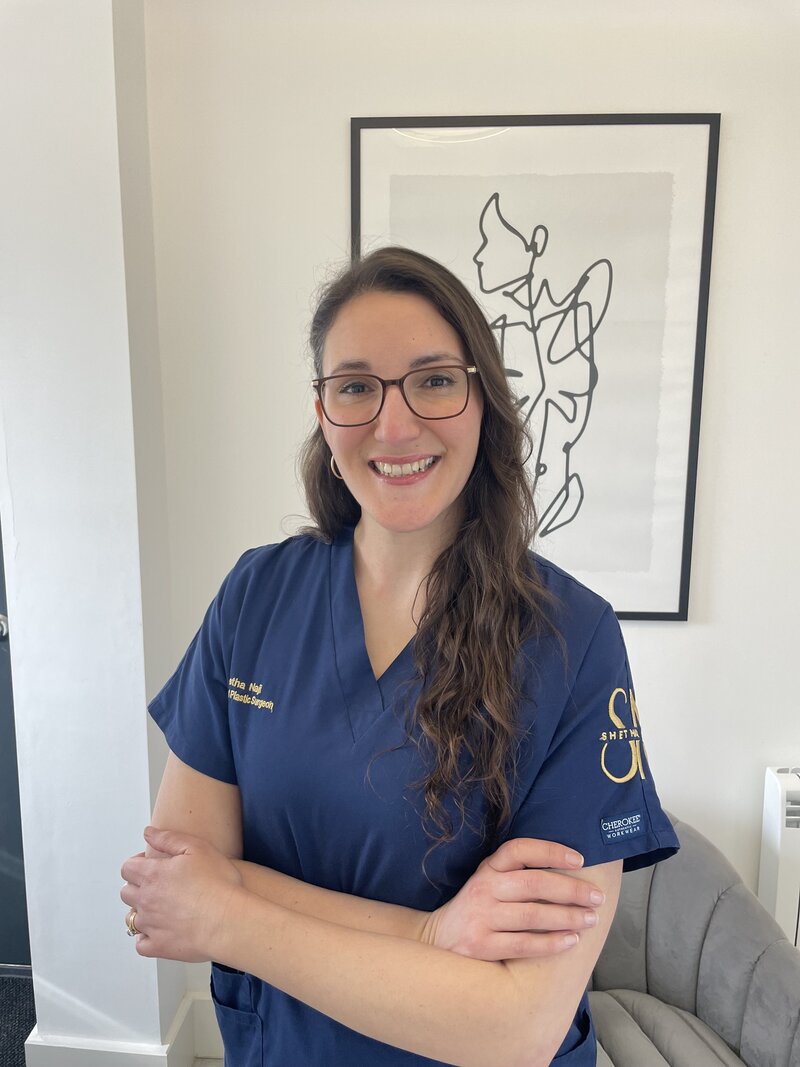
As a Consultant Plastic Surgeon (and someone who also struggles with fluctuation weight gain and loss!), I understand your concerns and am here to help you achieve the smooth, firm skin you desire.
In this article, I’ll cover some effective solutions – both non-surgical and surgical – to address and reduce loose skin after weight loss.
Why Loose Skin Occurs After Weight Loss
While Ozempic® (semaglutide) and similar GLP-1 medications effectively help with weight loss, they can also contribute to loose, sagging skin. This occurs due to the rapid loss of fat, particularly the superficial fat, which outpaces the skin’s ability to lift, especially in areas with significant fat loss, such as the face, neck, arms, abdomen, and thighs.
Common Changes Seen After Rapid Weight Loss
- “Ozempic® Face”: Significant weight loss can cause loss of facial fat, resulting in sunken cheeks, temples, and more visible wrinkles.
- “Ozempic® Body”: Loose, crepey skin can develop on the body, especially in areas like the abdomen, thighs, breasts, and buttocks.
- Causes: As we age, the skin’s elasticity (collagen and elastin) decreases, making it harder for the skin to adapt to significant changes in body size. Faster, more substantial weight loss can further stretch the skin, leading to sagging.
- Muscle Loss: GLP-1 medications can sometimes cause muscle loss in addition to fat, reducing the structural support for the skin, which contributes to sagging.
Treatment Options for Loose Skin After Ozempic and Weight Loss
There are a variety of treatments available to address loose skin after significant weight loss, ranging from non-invasive options to surgical procedures. Below, I explore both approaches and explain which one may be right for you. But as always, a thorough consultation would be the crucial first step to take prior to any decisions being made!
Non-Surgical Options for Skin Lifting
Non-invasive treatments are ideal for those with mild to moderate skin laxity. Here are some effective options that are available at my clinic:
1. Sofwave
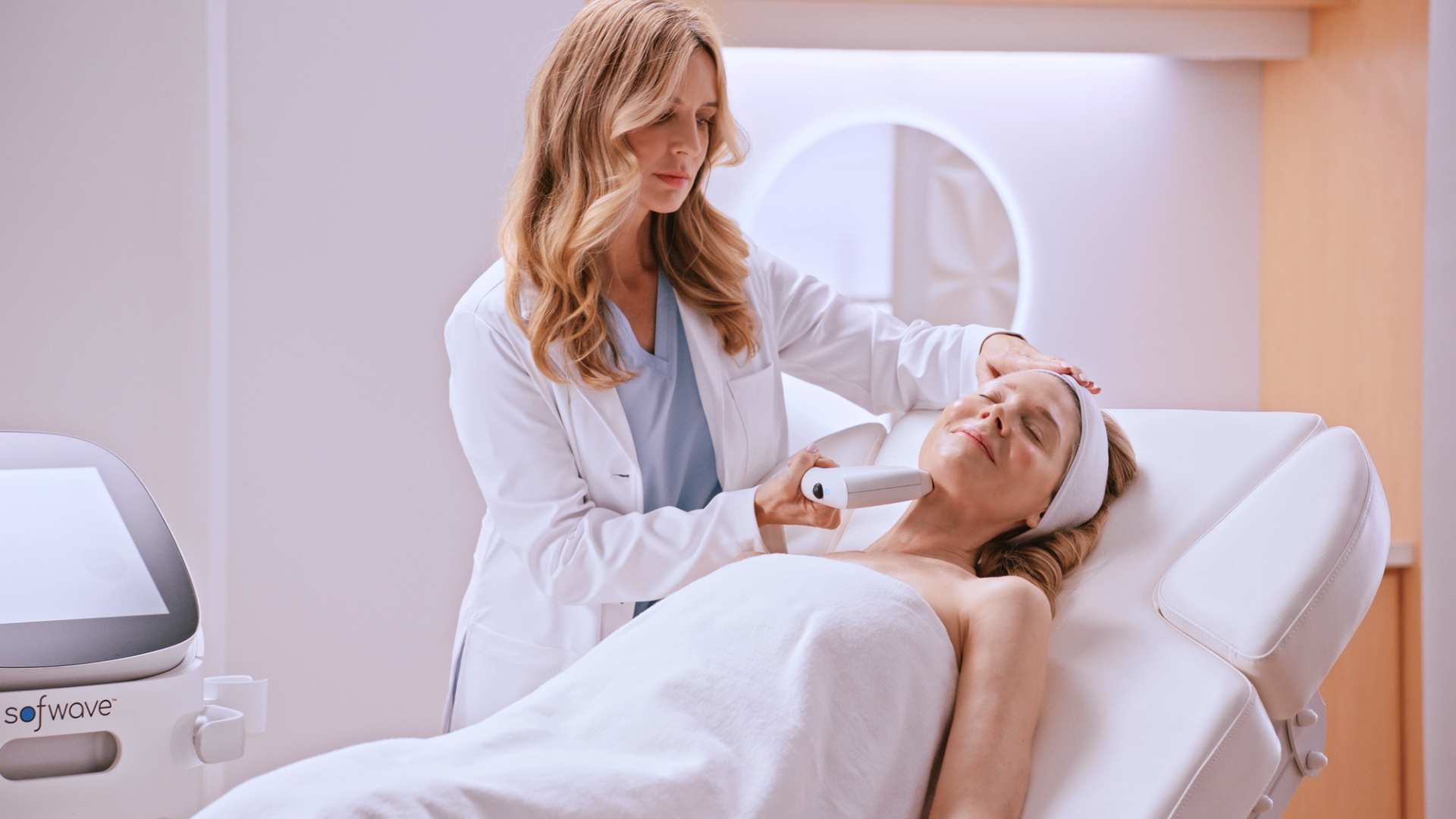
Sofwave is a cutting-edge, FDA-cleared treatment that utilizes ultrasound technology to stimulate collagen production and lift loose skin. It’s ideal for mild to moderate sagging and can be used on the face, neck, arms, and abdomen.
- How it works: Sofwave’s SUPERB™ technology targets the mid-dermis to heat the skin and stimulate collagen production, which helps lift and firm the skin.
- Areas treated: Primarily the face (eyebrows, jawline), neck, and arms. It also works well on the abdomen.
- Results & Timeline: Most patients see results within a few weeks, with full effects visible within 3 months and lasting up to 12 months.
- Treatment Time & Downtime: The procedure takes about 45-60 minutes, with no downtime. It’s suitable for all skin types.
- Ideal candidates: Those with mild to moderate skin sagging who are looking for a non-invasive lift with gradual improvements.
Why Choose Sofwave?
With a 95% patient satisfaction rate, Sofwave is considered one of the best non-invasive treatments for skin lifting, offering a quick, comfortable, and effective alternative to surgery.
It’s important to note that while Sofwave can significantly improve skin firmness, it does not remove excess skin in the way surgery can.
2. Skincare Routines
Incorporating moisturizers and topical treatments containing retinoids or hyaluronic acid can enhance the elasticity and texture of your skin. These products are best used in conjunction with other treatments.
3. Polynucleotides
For mild laxity, polynucleotides +/- hyaluronic acid may be beneficial in reducing the appearance of fine lines and wrinkles, improving the overall skin quality and glow. An initial course of 3 injections are typically required.
4. Microneedling
For mild laxity, microneedling can be effective. Again, this stimulates collagen and elastin production and results can be augmented with the use of exosomes. A course of treatments, typically 4-6, are required in order to firm the skin, improve skin quality and overall appearance.
Who is a Candidate for Non-Surgical Skin Lifting?
Non-surgical treatments are best for individuals with:
- Mild to moderate skin laxity
- Good skin quality with some remaining elasticity
- A stable weight, with no further major weight loss planned
- A preference for gradual, non-invasive improvement
Surgical Solutions for Severe Skin Laxity
For individuals with more pronounced skin laxity, surgery may be necessary to achieve smoother, firmer skin. Surgical options may include removal of the excess skin, often combined with the use of laser/liposuction. Common procedures include:
- “Tummy Tuck” (Abdominoplasty)
- Arm Lift (Brachioplasty)
- Body Lift/Contouring
- Breast Lift (Mastopexy)
- Male Breast Reduction
While these procedures are not available at my clinic, as a Consultant Plastic Surgeon, I can certainly provide expert medical advice on whether a surgical or non-surgical approach may be appropriate.
Take the Next Step Toward Firmer, Tighter Skin
Losing weight is a significant achievement, but the presence of excess skin can prevent you from fully enjoying your results. Fortunately, there are numerous treatment options available to help you achieve the smooth, sculpted appearance you desire. The right solution depends on the degree of skin laxity, your overall health, your aesthetic goals, and whether you prefer a non-surgical or surgical approach.
Need Guidance?
If you’re struggling with skin laxity after weight loss or would like to explore treatment options, I’m here to help. Please don’t hesitate to reach out.
Email: contact@shethanaji.com
Tel: +44 (0) 7903 159640