Melasma is one of the most common (and often one of the most stubborn) pigmentation concerns I treat at my clinic. These symmetrical patches of brown or greyish-brown discoloration usually appear on the cheeks, forehead, upper lip, nose and chin. They can affect anyone, but are especially prevalent in skin of colour, where melanocytes (pigment-producing cells) are naturally more active and reactive.
In this article, I’ll break down what melasma actually is, how it differs from other types of pigmentation, the most effective prevention strategies, and the professional treatments that can make a real difference.
What Exactly is Melasma?
Melasma is a form of hyperpigmentation caused by overstimulation of melanocytes, leading to excess melanin production in certain areas of the face. It’s commonly triggered by:
· UV exposure
· Hormonal fluctuations
· Heat
· Genetics
· Certain medications or skincare products
Although melasma is harmless, it can be emotionally difficult because of its visibility — and because it is chronic and thus returns even after fading.
Melasma vs Freckles: What’s the Difference?
It’s easy to mistake melasma for freckles or sun spots, but they behave very differently.
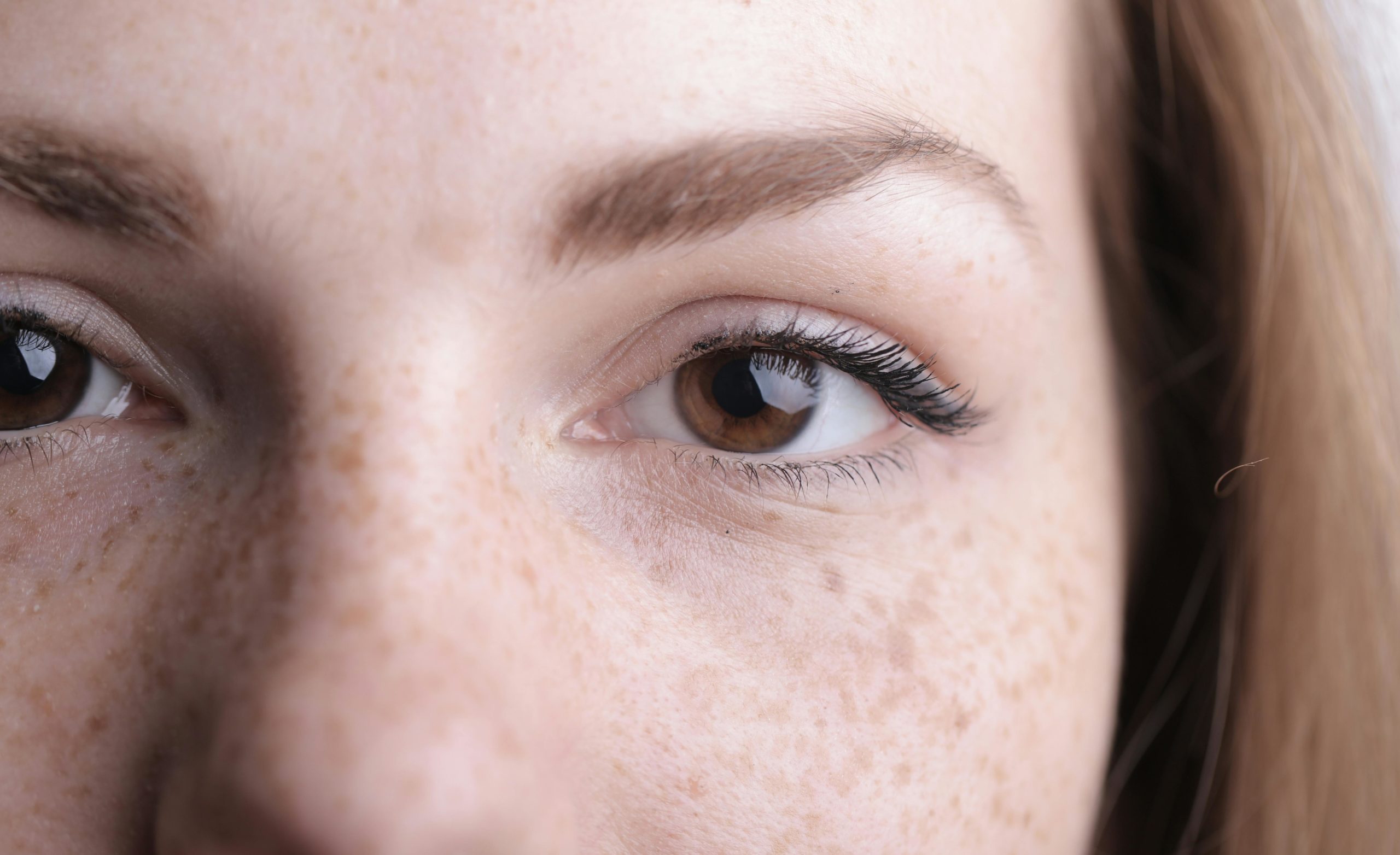
· Freckles are small, light, superficial and often genetic.
· Melasma is deeper, patchier and influenced by hormones and external triggers.
Freckles may darken with sun exposure, but melasma tends to spread, deepen, and become more persistent over time, which is why early intervention and daily sun protection are essential.
Why Melasma is More Common in Skin of Colour
Melanin-rich skin naturally contains more active pigment-producing cells. While this provides more natural UV protection, it can also mean a greater risk of hyperpigmentation, particularly post-inflammatory hyperpigmentation (PIH).
At my clinic, I frequently see patients with South Asian, Middle Eastern and Mediterranean heritage experiencing pigmentation concerns that have been misdiagnosed or mistreated. Tailoring treatment to deeper skin tones is crucial to avoid worsening the condition.
Preventing Melasma: Your First Line of Defence
While triggers like genetics and hormones can’t always be controlled, consistent prevention can dramatically reduce flare-ups.
1. Daily Sun Protection (Non-Negotiable)
UV exposure is the number one trigger for melasma. Even incidental exposure — driving, sitting by a window, walking outdoors — can activate pigmentation.
Your SPF checklist:
· SPF 30–50, broad spectrum
· Daily use, even indoors or in winter
· Mineral sunscreens (zinc oxide or titanium dioxide) for sensitive skin
· Tinted formulas containing iron oxides for visible light protection
If a freckle darkens with sun exposure or begins merging into a patch, it may be an early sign of melasma.
2. Avoid Excess Heat
Heat increases inflammation and melanocyte activity, even without sun exposure.
Common overlooked triggers:
· Cooking near a hot stove
· Saunas
· Hot yoga
· Prolonged hot showers
Keeping your skin cool can reduce flare-ups significantly.
3. Use Targeted Skincare
Certain ingredients help regulate pigment activity and soothe inflammation:
· Niacinamide
· Tranexamic acid
· Azelaic acid
· Vitamin C
At my clinic, I create medical-grade skincare plans tailored to your skin tone, lifestyle, and specific pigmentation type.
Professional Treatments for Melasma
Melasma rarely improves fully with skincare alone. In-clinic treatments can help fade pigment and restore brightness.
1. Prescription Topical Protocols
For deeper or chronic melasma, prescription creams may include:
· Hydroquinone (short-term use only)
· Retinoids
· Combination creams targeting multiple pathways
These treatments must be monitored to avoid irritation or rebound pigmentation.
2. Chemical Peels
Medical-grade peels lift superficial pigment and stimulate renewal.
Safe options for skin of colour include:
· Lactic acid
· Mandelic acid
· Glycolic acid (carefully formulated)
3. Microneedling (With Caution)
Microneedling creates micro-channels that:
· Break up melanin clusters
· Stimulate collagen
· Enhance penetration of brightening serums
It offers gradual improvement with minimal downtime.
Caution must be taken, however, to ensure risk of post-inflammatory hyperpigmentation is minimised – particularly in skin of colour.
4. Microneedling with Radiofrequency (RF) (With Caution)
This combines microneedling with heat energy to:
· Improve tone and texture
· Stimulate collagen
· Reduce deeper pigmentation
Best for those who haven’t responded to first-line treatments. Again, caution must be taken to avoid complications and adverse side-effects. An experienced practitioner is a must.
5. Laser Treatments (With Caution)
Not all lasers are suitable for melasma — many can make it worse.
Safer options (when used correctly):
· Low-fluence Nd:YAG
· Gentle fractional lasers
· Certain Q-switched lasers
These should only be performed by practitioners experienced in treating melasma, especially in darker skin tones.
6. Oral Medications
Oral tranexamic acid can help stubborn melasma by reducing pigment pathways internally. It’s not suitable for everyone, so a medical consultation is essential.
Can Melasma Go Away on Its Own?
Sometimes, particularly after pregnancy or when stopping hormonal contraception melasma can fade dramatically. But more often, melasma:
· Persists for years
· Flares with sun exposure
· Returns seasonally
· Deepens over time
This is why long-term management is more effective than quick fixes.
Long-Term Management: Setting Realistic Expectations
Melasma is a chronic condition. It can be significantly improved — but it requires:
· Daily SPF
· Consistent skincare
· Controlled triggers
· Periodic professional treatments
· Maintenance plans
With the right approach, flare-ups can be minimised and skin tone can remain much more even over time.
Quick Recap: Your Melasma Action Plan
· Wear SPF every day — indoors and outdoors.
· Treat darkening freckles early to avoid progression.
· Avoid triggers such as UV, heat, and irritation.
· Consider prescription-based skin care to treat and then maintain your skin pigmentation.
· Use brightening ingredients like niacinamide, tranexamic acid, and azelaic acid.
· Consider professional treatments such as chemical peels and microneedling.
· For stubborn cases, a multimodal approach is invariably required.
Ready to Take the Next Step?
If you’re struggling with melasma or unsure where to start, I’d be happy to help you create a personalised treatment plan.
Get in Touch:
Email: contact@shethanaji.com
Tel: +44 (0) 7903 159640
I’m not just your aesthetic practitioner, I’m here to guide you through your skincare journey with clarity, science, and support every step of the way.