Halloween might be the season for ghosts, ghouls and things that go bump in the night. But when it comes to aesthetic treatments, some of the things that genuinely concern me are much closer to home.
Aesthetic medicine has evolved enormously. There are now more treatments, technologies, products and practitioners than ever before. This gives patients more choice – but it can also make knowing who to trust, what treatment is appropriate and what results are realistic surprisingly difficult.
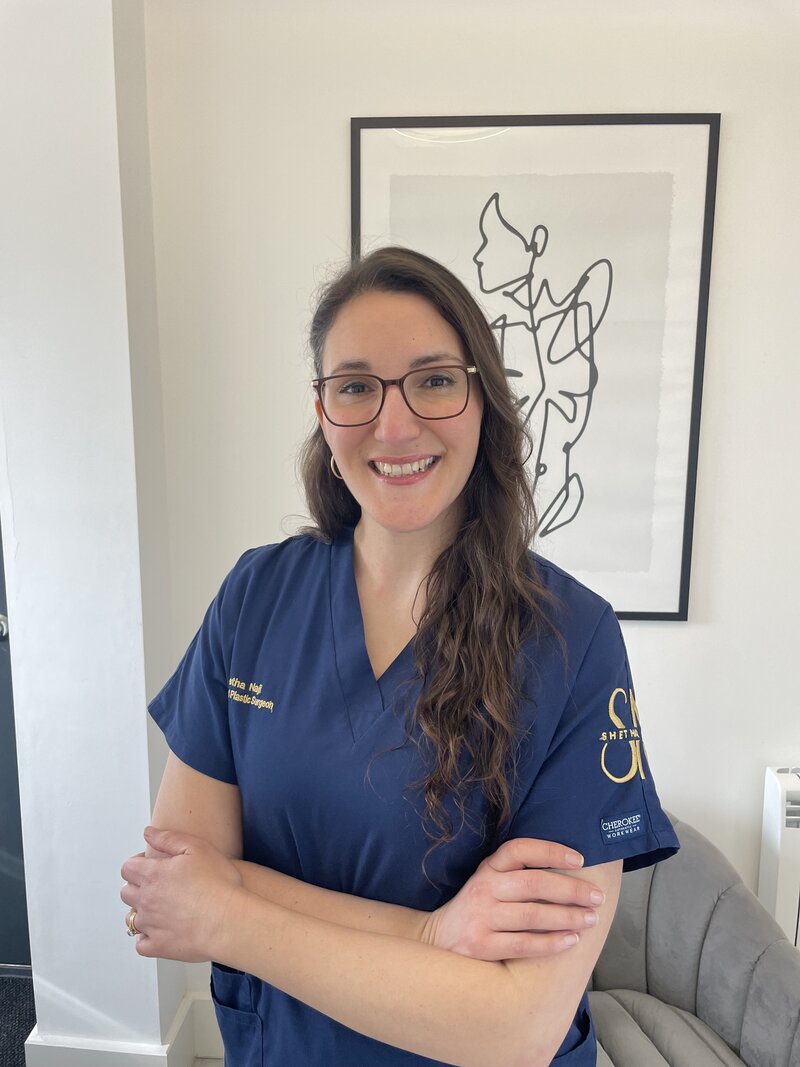
As a Consultant Plastic Surgeon, there are several things about the aesthetics industry that I believe patients should take seriously.
And the first is perhaps the most important of all.
CHOOSING THE WRONG PRACTITIONER
This is probably the scariest thing about aesthetics.
Choosing an aesthetic practitioner is not simply about finding someone whose results you like on Instagram or who has a large following.
Aesthetic treatments are medical treatments. Even procedures that appear quick or straightforward can carry risks, and the person assessing you should have the appropriate training, knowledge and experience to understand those risks and manage complications should they occur.
Qualifications and experience matter.
So does understanding anatomy, recognising when someone is not suitable for a treatment, knowing when to say no, and having an appropriate plan if something does not go as expected.
Before booking, take the time to understand who will actually be treating you. Look at their professional qualifications and experience, find out what their training is, and make sure you feel comfortable asking questions.
A large social media following is not a medical qualification.
THINKING MORE TREATMENT MEANS BETTER RESULTS
One of the biggest misconceptions in aesthetics is that if a little treatment is good, more must be better.
It isn’t.
Good aesthetic medicine should be about assessing what you actually need – not trying to fit you into a particular treatment menu.
Sometimes the best treatment is a treatment. Sometimes it is a combination of treatments. And sometimes the best advice is to wait, do less or do nothing at all.
That might not be the answer someone wants to hear, but it is an important part of responsible aesthetic practice.
The aim should never be to treat someone simply because you can.
CHASING UNREALISTIC RESULTS
Social media has changed the way we think about beauty.
We are constantly exposed to highly edited photographs, filters, carefully chosen angles and faces that may have undergone multiple treatments. It can become very easy to compare ourselves with an unrealistic version of someone else.
A consultation should therefore involve an honest conversation about what a treatment can – and cannot – achieve.
No aesthetic treatment can stop ageing. No treatment can make someone look exactly like a photograph they have brought into the consultation. And no responsible practitioner should promise perfection.
Good treatment should enhance what is already there, not erase the person.
TREATING WITHOUT UNDERSTANDING THE BIGGER PICTURE
Your skin, face and body don’t exist in isolation.
Your medical history, medications, previous procedures, skin condition, lifestyle, expectations and reasons for seeking treatment can all be relevant when deciding whether a treatment is appropriate.
That is why I believe a proper consultation is so important.
A consultation should not simply be a quick conversation before treatment begins. It should be an opportunity to understand what you are hoping to achieve, assess your individual needs, discuss options and alternatives, explain potential risks and make sure you have enough information to make an informed decision.
And importantly, a consultation should be a place where you can be told that a particular treatment isn’t right for you.
ASSUMING EVERY NEW TREATMENT IS AUTOMATICALLY BETTER
A new device, ingredient or treatment can be exciting. But “new” doesn’t automatically mean “better”.
The aesthetics industry moves incredibly quickly. New technologies and treatments are constantly being promoted, often alongside impressive before-and-after photographs and enthusiastic marketing claims.
But patients deserve more than marketing.
It is reasonable to ask:
- What exactly does the treatment do?
- What evidence supports it?
- What are the risks?
- Who is it suitable for?
- Who should avoid it?
- What results can realistically be expected?
- Are there alternatives?
- What happens if there is a complication?
Being curious about a treatment is a good thing. Being persuaded by hype alone is not.
BEING PRESSURED INTO MAKING A DECISION
You should never feel that you have to make a decision about an aesthetic treatment on the spot.
“Limited availability”, “today only” offers or pressure to book multiple treatments immediately can make it difficult to step back and think about whether something is genuinely right for you.
A good consultation should give you the opportunity to consider your options.
You should feel able to go away, think about it, ask further questions and come back when you are ready.
You should never feel pressured into changing your appearance.
FORGETTING THAT COMPLICATIONS CAN HAPPEN
Even when a treatment is performed correctly by an appropriately trained practitioner, complications can still occur.
That doesn’t necessarily mean that someone has done something wrong. Medicine is not risk-free.
What matters is that the practitioner understands the potential complications, knows how to recognise them and has appropriate plans for managing them.
This is one reason why choosing your practitioner based purely on price can be risky.
You are not simply paying for the treatment itself. You are also paying for the practitioner’s knowledge, assessment, technique, judgement and aftercare.
LETTING SOCIAL MEDIA MAKE THE DECISION FOR YOU
Instagram and TikTok can be fantastic places to learn, discover treatments and see other people’s experiences.
But they are not a substitute for an individual medical assessment.
Your face is not the same as somebody else’s face on your screen. Your skin is different. Your anatomy is different. Your medical history is different. Your goals are different.
Use social media to ask questions. Don’t use it to diagnose yourself.
And remember: an influencer’s experience of a treatment is not necessarily evidence that the same treatment is appropriate for you.
SO, WHAT SHOULD YOU LOOK FOR?
Choosing aesthetic treatment is ultimately about choosing someone you trust.
Before going ahead, consider:
Who is treating me?
Look at their qualifications, professional background and experience.
Have I had a proper consultation?
You should have the opportunity to discuss your goals, medical history, treatment options and risks.
Do I understand the risks?
Every treatment has potential risks. Make sure you understand them before consenting.
Are my expectations realistic?
Be wary of anyone promising perfection or guaranteeing a particular result.
Do I feel pressured?
You should feel comfortable taking time to make your decision.
What happens afterwards?
Ask about aftercare and what support is available if you have concerns following treatment.
THE LEAST SCARY APPROACH TO AESTHETICS?
Take your time.
Ask questions.
Do your research.
And choose your practitioner carefully.
Aesthetic medicine should not be about chasing perfection or following every new trend. At its best, it is about making thoughtful, individualised decisions with a practitioner who understands both what can be achieved and what should be avoided.
The scariest thing about aesthetics isn’t ageing.
It’s putting your face, your health and your trust in the wrong hands.
Choose carefully.
If you’re considering aesthetic treatments, I’d be delighted to discuss your options during a consultation.
Email: contact@shethanaji.com
Tel: +44 (0) 7903 159640